Programming Helps Shipping Dreams:
New China Maritime Students Set Sail Across Boarders
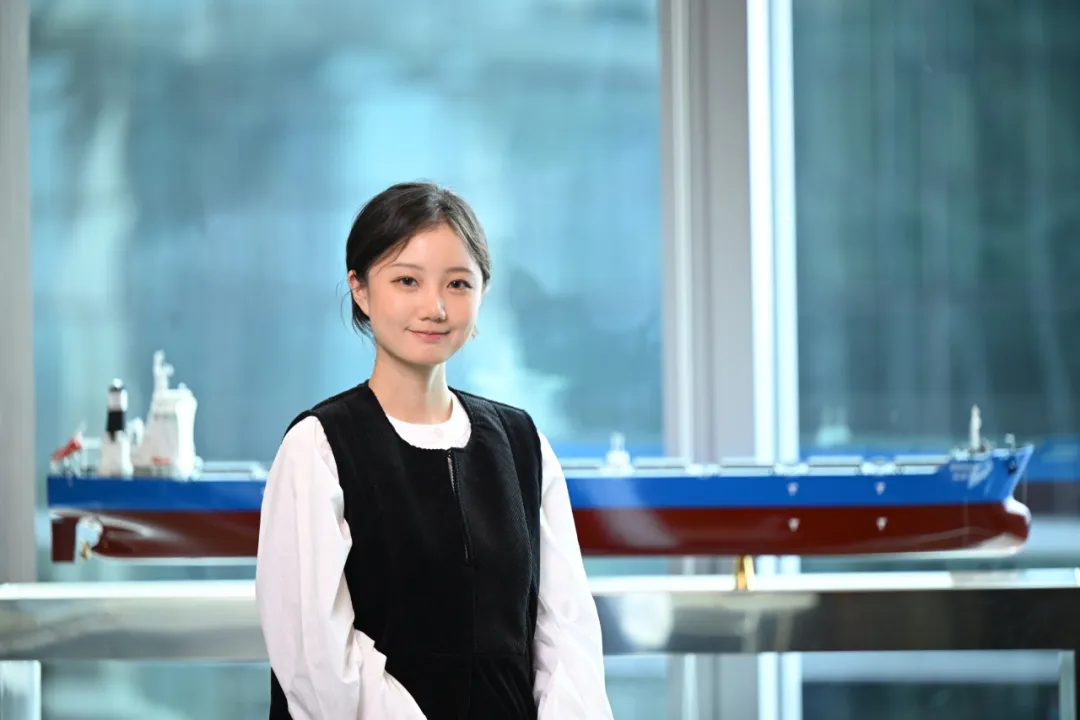
Zhi Zhi graduated from Shanghai Maritime University in 2021. After completing her internship at Henkel, she pursued a Master’s degree in Maritime Technology and Management (MTM) at the National University of Singapore (NUS). In just a year and a half, she transformed from an undergraduate student with a management focus into a professional with programming expertise. She successfully secured a role as a Data Analyst at the renowned British shipbroking firm, Simpson Spence Young (SSY). While contributing to the digital transformation of the maritime industry, she also set sail on her own interdisciplinary professional journey.
Today’s Guest:
Zhi Zhi
Alumna of the Master’s in Maritime Technology and Management (MTM) programme at the National University of Singapore (NUS).
1. Focus on leading maritime nations, bridge technological gaps
For Zhi Zhi, who pursued an undergraduate degree in Transportation Management (Civil Aviation), choosing to study in Singapore was an almost natural decision. "Singapore's strength in the maritime industry is undeniable," she summarised. As a global shipping hub, the country holds a distinct advantage in container transshipment.
However, what Zhi Zhi valued most was Singapore’s maritime ecosystem. “Firstly, the government places great emphasis on the industry, providing ample opportunities for growth. Secondly, many multinational corporations have established their Asia-Pacific headquarters in Singapore, allowing professionals to stay at the forefront of industry developments. Lastly, Singapore attracts top maritime talent from around the world and regularly hosts industry events, making it easier for professionals to build strong networks.”


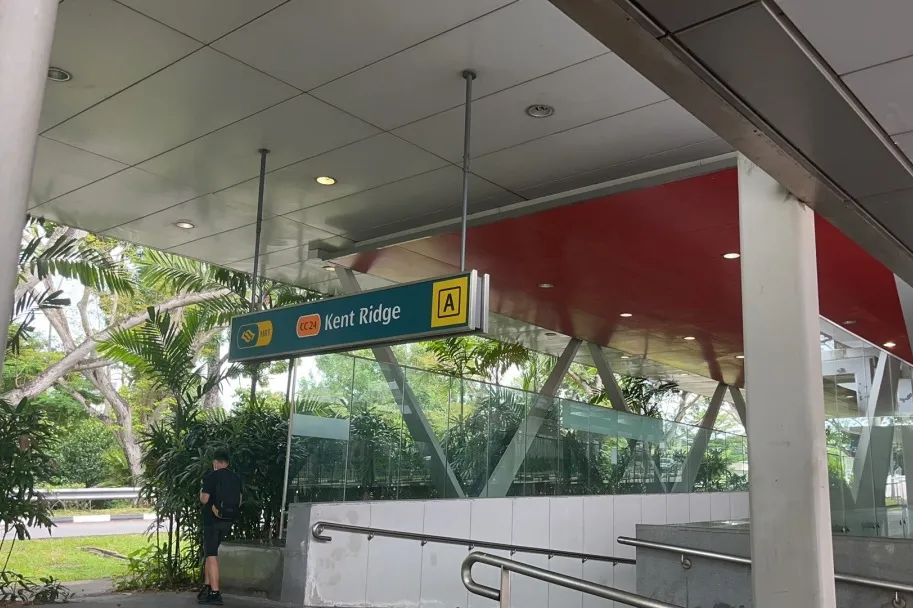
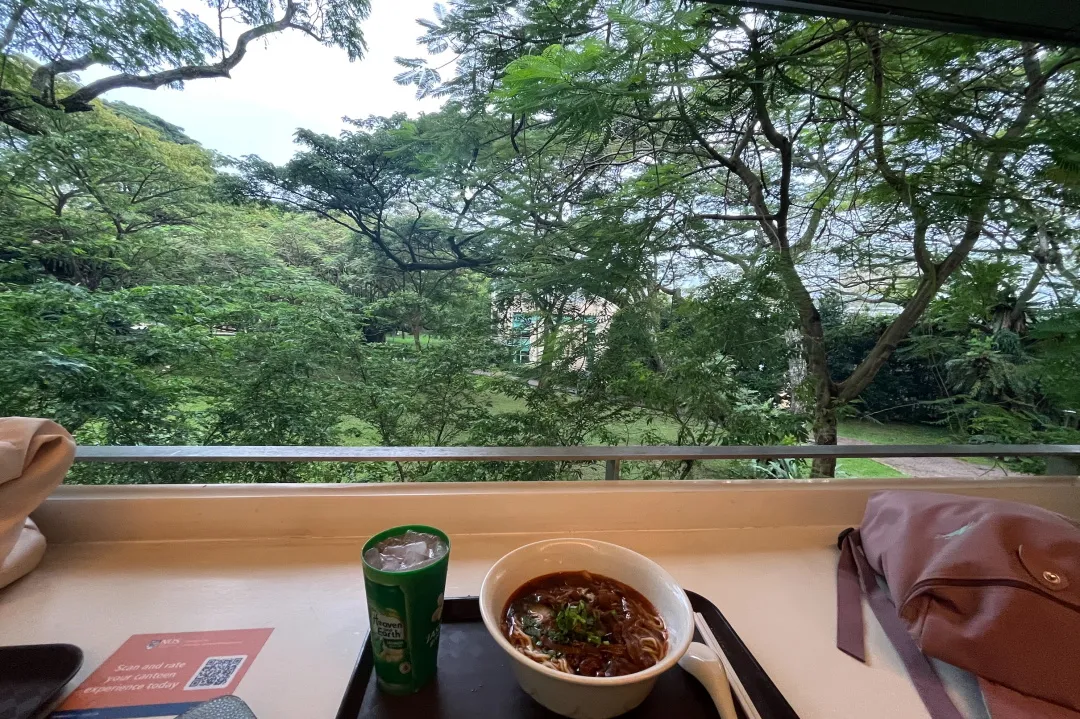
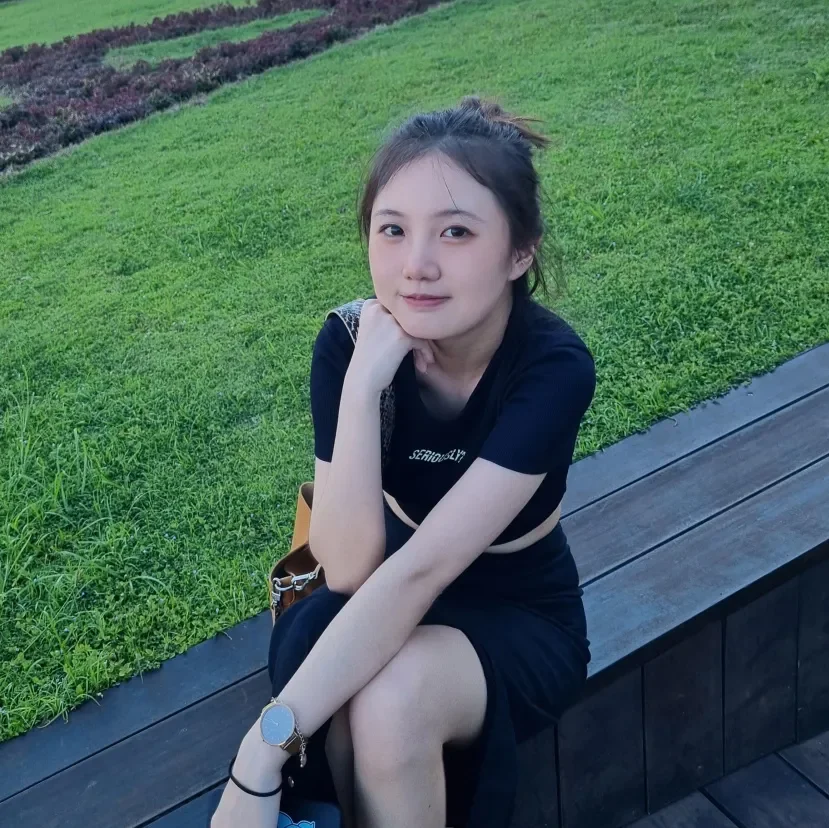
▲ A snapshot of Zhi Zhi's study and life in Singapore.
Driven by her passion for the maritime industry, Zhi Zhi set a clear goal during her application: to stay in Singapore after graduation and gain experience in this global maritime hub. Although the MTM programme had only one graduating cohort at the time, its strong industry connections and 15-week internship opportunity greatly appealed to her.
At the same time, Zhi Zhi keenly recognised that digital technology would be the key to transforming the maritime sector. “My undergraduate studies focused more on management, and MTM was the perfect opportunity to bridge my gaps in programming and database management.”
2. Crossing disciplinary boundaries, overcoming IT barriers.
Enhancing IT skills across disciplines had always been a key focus for Zhi Zhi, but after enrolling, it became her biggest challenge.
The MTM programme includes three IT-related courses, IE5005 Data Analytics for Industrial Engineers, IE5600 Applied Programming for Industrial Systems and MTM5004 Maritime Data Analytics. IE5005 and IE5600 cover data models, big data, and machine learning, while MTM5004 focuses on Python programming.

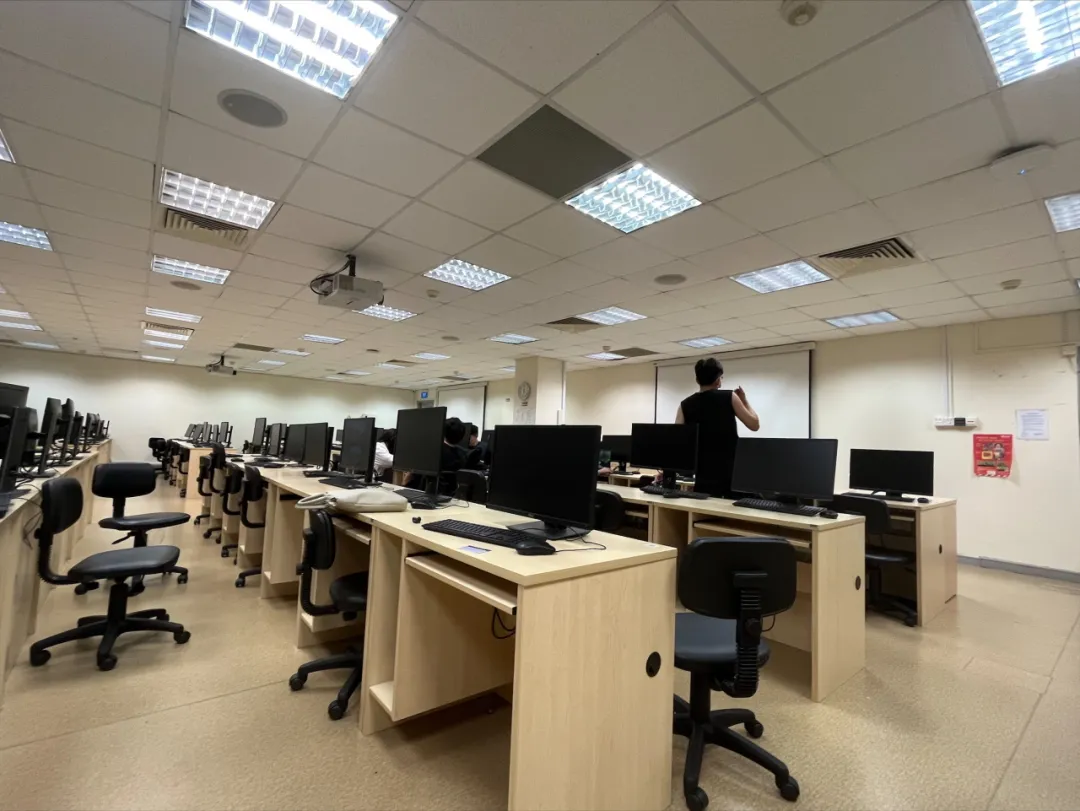
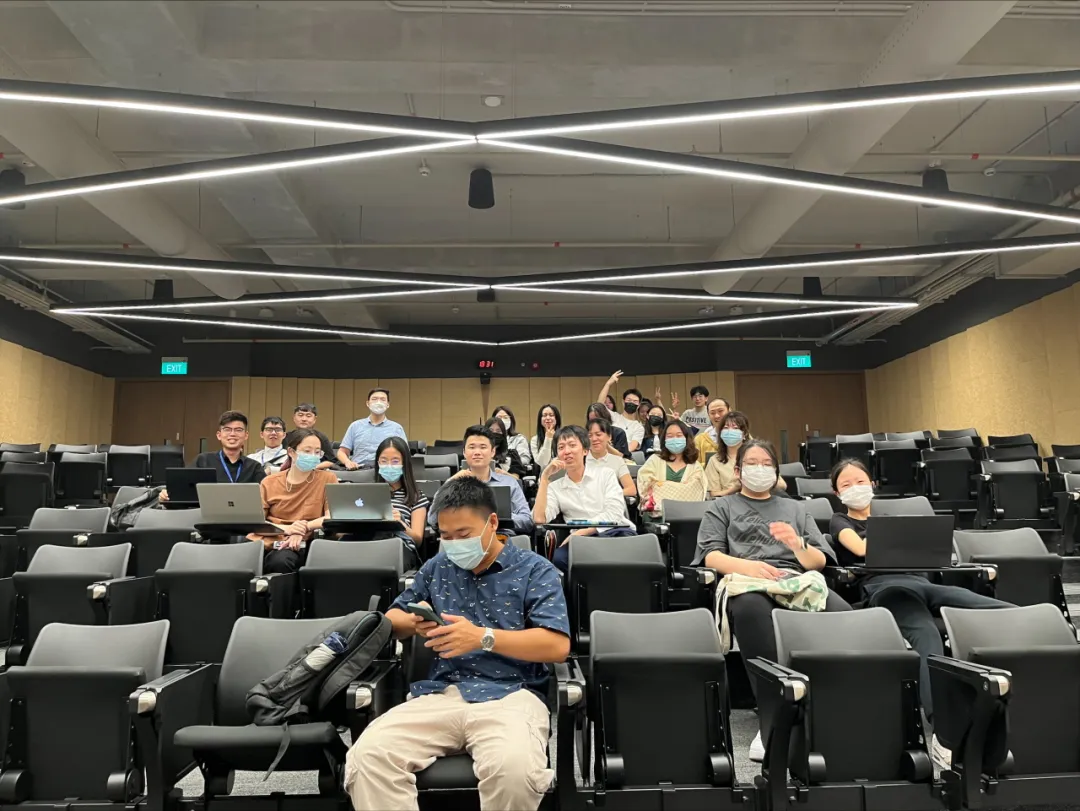
▲ Zhi Zhi’s daily study routine at NUS. Unlike her previous academic experience, her limited programming background required her to dedicate significant time outside of class to improve her skills.
Zhi Zhi had taught herself basic programming, but she still found understanding data models and writing code challenging. “It felt like one day I was learning 1+1=2, and the next, I was sitting for a maths university entrance exam.” The only way to bridge the gap was through consistent practice and asking questions. “In class, our professors guided us through coding exercises, and after class, I spent time digesting the code on my own. During lab sessions following theoretical lectures, we would also ‘run code’ under the supervision of teaching assistants.”
Since most classes were scheduled in the evenings, Zhi Zhi often spent her days in the library “catching up” – seeking help from friends proficient in programming and using video tutorials to reinforce her understanding of functions.
Through dedication and persistence, she successfully passed her IT courses in the first semester. By the time she took MTM5004 Maritime Data Analytics in the second semester, she was much more confident. “This course combined programming with maritime applications, teaching us how to apply data analysis to the shipping industry, such as data cleaning and vessel tracking. After the challenges of the first semester, I found myself much more adept at handling projects.”
3. Gaining industry insights, clarifying career direction.
Beyond equipping students with digital technology and industrial engineering fundamentals, the MTM programme offers deep insights into the maritime industry, helping Zhi Zhi understand the sector from multiple perspectives and refine her career direction.
Her favourite course was MTM5001 Maritime Industry Fundamentals. This intensive module covered various domains, including ports, shipping, the maritime services ecosystem, and marine engineering. It not only introduced the basic operational models of the shipping industry but also provided a detailed breakdown of different sectors such as bulk cargo, container shipping, cruise lines, and liquid cargo. The course featured guest lecturers from leading maritime organisations, including CMA CGM, PSA, and MPA (Maritime and Port Authority of Singapore), offering students a broad and practical industry perspective.
“I gained a deep understanding of how different sectors and processes within the industry operate, as well as the key concerns of each stakeholder. This was invaluable for my career planning.” As Zhi Zhi explored her career options, she carefully considered whether to enter a ship-owning company or focus on downstream sectors, gradually forming a clearer vision for her professional path.
PSA’s guest lecture left a particularly strong impression on her, especially the segment on port planning. “Port planning involves integrating and optimising an entire city’s resources, and the boldness of such reforms is truly remarkable.” She also observed that PSA was actively driving maritime digitalisation, soliciting innovative solutions from technology firms every year. These industry insights reinforced her early belief that digital transformation in the maritime sector held immense potential.
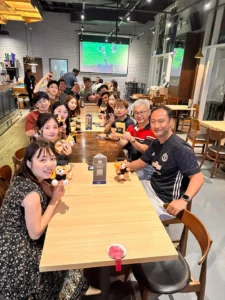
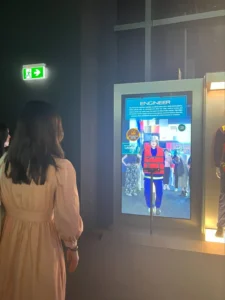
▲ (Left) Professor Kok Choon Tan’s passion for the industry deeply inspired Zhi Zhi. “He has nurtured numerous talents for the maritime sector, and many guest lecturers were once his students.” (Right) Zhi Zhi explores future career paths through industry events.
4. Strong University-Industry Collaboration: Opportunities Within Reach
The strong connection between the MTM programme and the industry is embedded throughout the course, from interactions with part-time classmates to major events like the annual Singapore Maritime Week.
Many of Zhi Zhi’s classmates were working professionals who brought valuable industry experience into the classroom. “Their questions were more specific and in-depth. For example, when discussing the oil sector, experienced classmates could immediately assess potential impacts based on global geopolitical developments – an awareness that fresh graduates typically lack.”
Moreover, MTM provided students with numerous opportunities to engage with the forefront of the industry. Through events like Singapore Maritime Week, Zhi Zhi interacted with key players in the maritime sector, gaining deeper insights into emerging trends. Visits to local enterprises and institutions, such as PSA headquarters, further strengthened her understanding of the entire maritime supply chain.
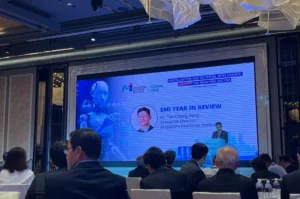
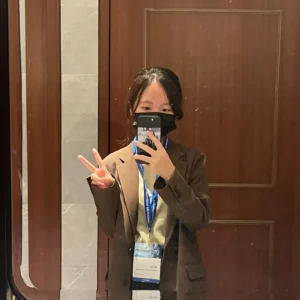
▲ Zhi Zhi attended Singapore Maritime Week, gaining insights from industry leaders as they discussed key issues.
As a core component of the programme, MTM offers a 15-week internship with positions available at partner companies, including shipping firms, port operators, classification societies, logistics companies, and maritime technology enterprises. To ensure she had sufficient time for her internship, Zhi Zhi extended her studies, scheduling the internship separately in her third semester.
While the university was helping her connect with potential employers, Zhi Zhi learned from a classmate working at Simpson Spence Young (SSY) that the renowned UK-based shipbroking company was recruiting interns. Seizing the opportunity, she applied and successfully secured an internship at SSY, thanks to her strong interview performance.
She attributes her internship offer to three key factors:
- A proactive attitude throughout the interview process.
- A solid understanding of the maritime industry, a clear interest in specific business sectors, and the ability to articulate insights on iron ore transportation.
- Technical proficiency in Python and SQL, which enabled her to contribute to automation projects.
5. 15-week Internship: Transitioning from Student to Professional
At SSY, where Zhi Zhi worked, high-frequency trading is the core business, and the company holds a vast amount of primary data. Her main task was to automate manual data processing workflows. For instance, she collaborated with data companies to store daily transaction data on the cloud and automatically generate updated reports, which were then regularly pushed to the Telegram platform.
Thanks to the maritime foundation, industry insights, and supply-demand theories she had previously acquired, Zhi Zhi was able to quickly understand the participants and their concerns on each shipping route. "However, the job primarily relied on the database knowledge and Python programming skills I gained at NUS, such as data cleaning and database queries. Without the lessons I learned in MTM, I wouldn't have been able to do this."
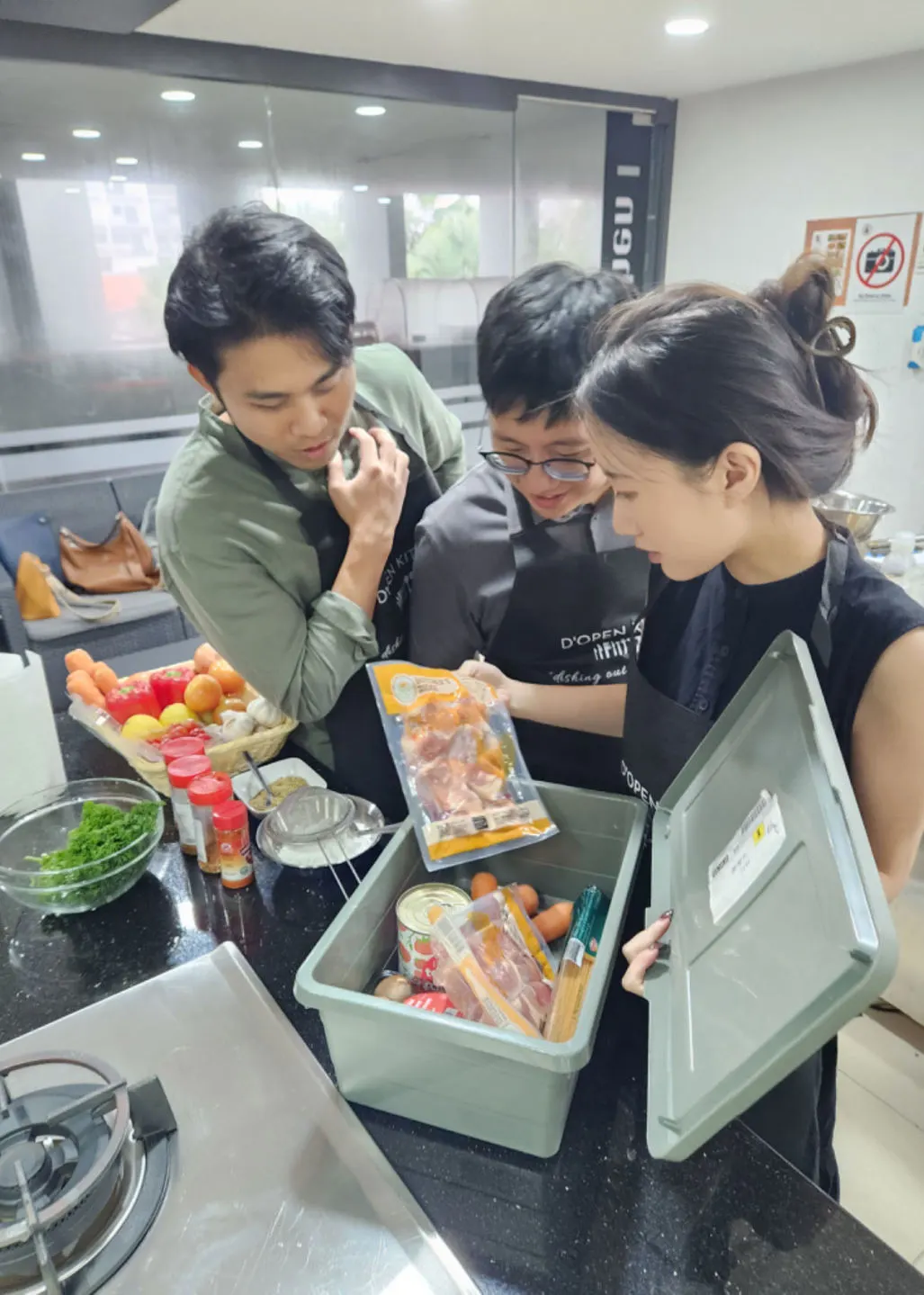
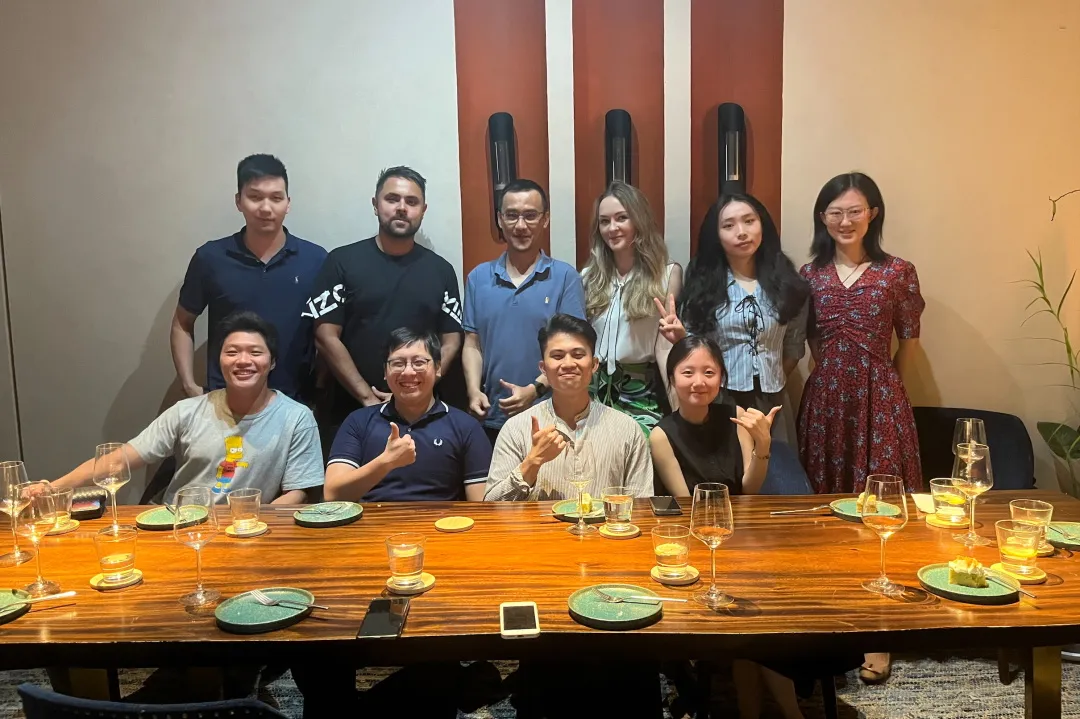
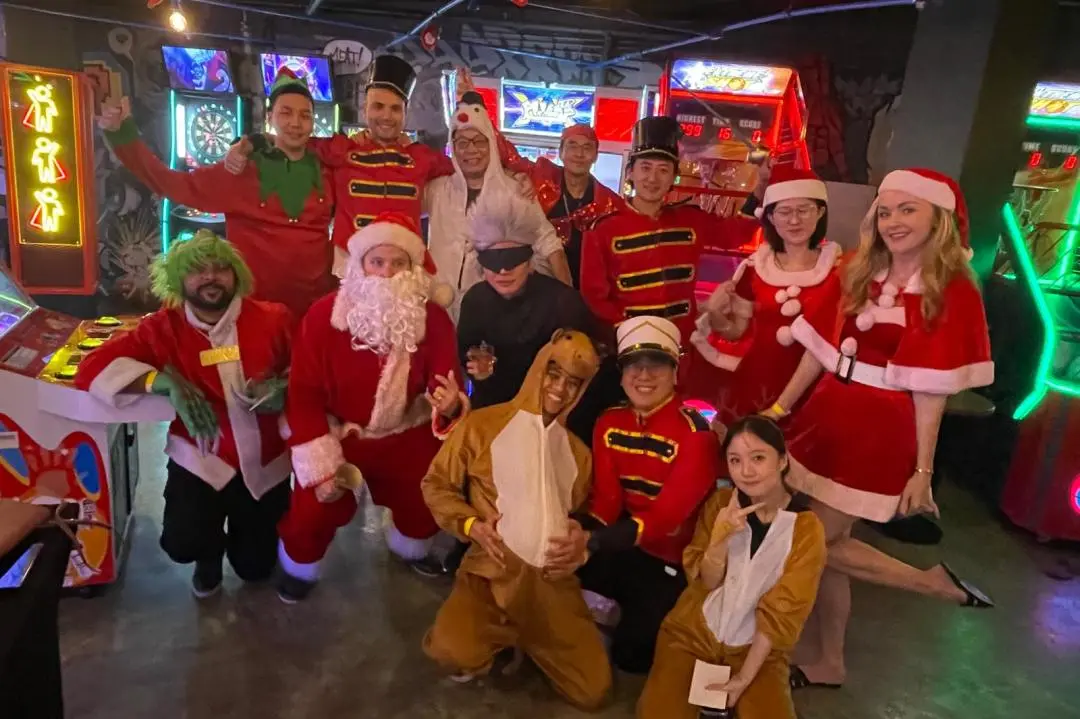
▲ Zhi Zhi's professional life at SSY. She particularly mentioned the immense help provided by her internship mentor, which greatly benefited her in both business knowledge and programming skills.
Although Zhi Zhi already had programming experience, the gap between classroom exercises and real-world tasks could only be bridged in an actual work environment. "For example, the data I previously worked with was mostly static, but in my job, the data flows and updates in real-time. After completing the analysis, continuous maintenance is also required," she explained. Fortunately, the "IT training" in the early stages of the MTM programme had instilled in her a habit of "practicing more and asking questions," enabling her to grow rapidly under the guidance of her internship mentor. Her diligence and perseverance ultimately helped her stand out in an impromptu report, successfully securing a full-time position.
6. Combining Business and Technology: The Industry's Demand for Multidisciplinary Talent
Zhi Zhi once again recognises the inseparable connection between business knowledge and digital skills for professionals in the maritime industry.
"The maritime sector is relatively traditional, with professionals leaning more towards business operations, leaving immense room for digital transformation." Her career journey has also proven that in the face of the sweeping digital revolution, strong data analysis skills can serve as a crucial gateway for newcomers entering the industry.
At the same time, she emphasises that industry experience remains indispensable, especially in the era of AI. "AI can generate better code, but human expertise is still required to provide the fundamental logic for problem-solving. The maritime industry is highly complex, and only through real-world exposure and hands-on experience can one truly understand how to apply technology to address the industry's most pressing challenges."
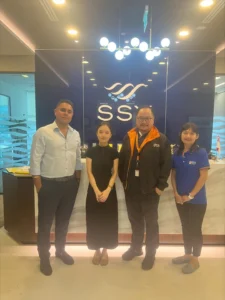
▲ (Left) Zhizhi’s graduation photo at NUS; (Right) A reunion with Dr. Li Haobin, Academic Director of the MSc in Maritime Technology and Management programme, at SSY.
She advises future MTM students to build a strong foundation in programming and English while making full use of NUS’s learning resources, industry connections, and internship opportunities. “If you want to work in Singapore, you must have a clear career direction, seize internship opportunities, establish connections with target companies, and strive for a full-time role.”
Looking ahead, Zhizhi plans to move into business management, focusing on the iron ore and dry bulk sectors that have always interested her, exploring opportunities with shipowners or cargo companies.
*Some images in this article were provided by Zhizhi.
Original article can be found here: https://mp.weixin.qq.com/s/Yb9NhcgR5Ta5SOVh3arULg